
PG19 Hacktober: 31 Days of New Features: Automatic Scaling of PostgreSQL I/O Worker Processes
As part of the PostgreSQL 19 development cycle, the asynchronous I/O (AIO) subsystem has taken another major leap forward. In
As part of the PostgreSQL 19 development cycle, the asynchronous I/O (AIO) subsystem has taken another major leap forward. In
Introduction: Have you ever wondered why an Optimized PostgreSQL query suddenly becomes slow, and why the query planner chose a
PostgreSQL 19’s optimizer work targets two limits: rewrites the planner couldn’t prove safe, and plans it couldn’t see. NULL semantics
Welcome to the 7th blog post of PG19 Hacktober!! In PostgreSQL 18 and earlier, asynchronous streaming replication introduced an unavoidable
PostgreSQL 19 introduces the native REPACK command, combining the capabilities of VACUUM FULL and CLUSTER while supporting CONCURRENTLY for reduced
We’re just into the 5th day of PG19 Hacktober, and we continue to see how PostgreSQL 19 beta 4 improves
Welcome to the Day3 of PG19 Hacktober!! If you’ve run PostgreSQL in production, you’ve probably watched autovacuum spend hours on
Welcome to the 2nd blog post of PG19 Hacktober! In two of our previous posts, we explored one of the most
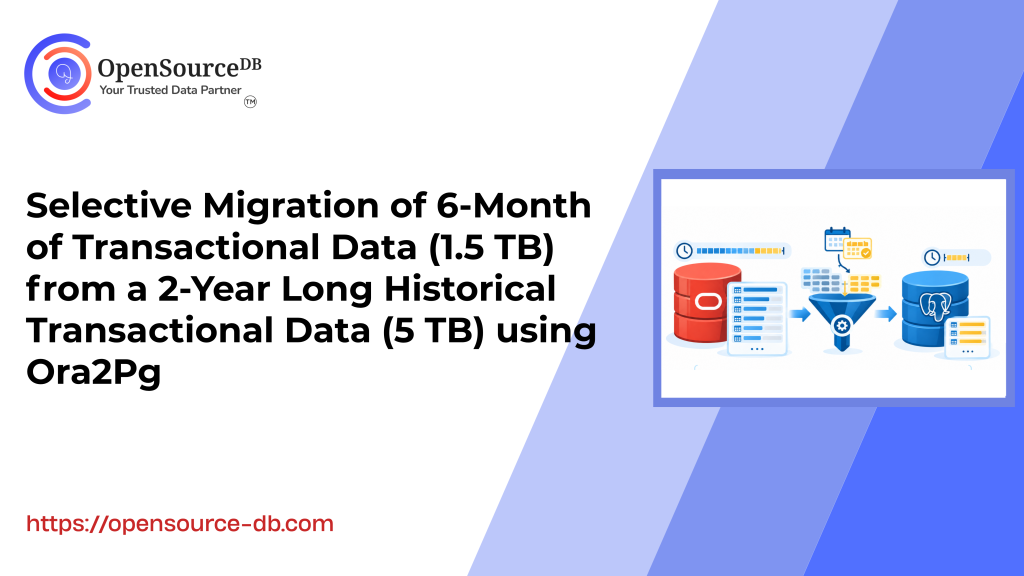
Database migration isn’t always about moving an entire source database to the target platform. In one migration scenario, the source
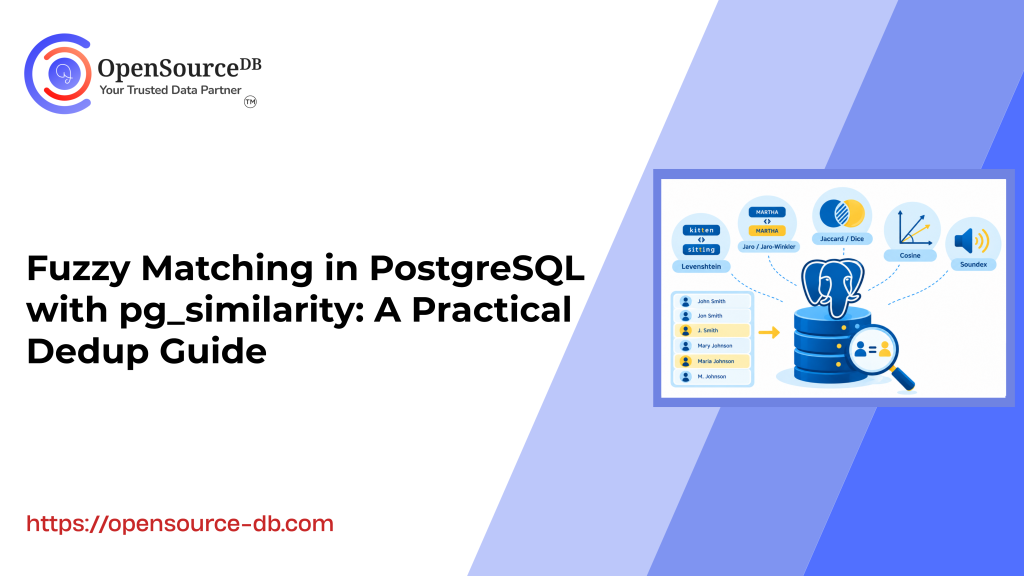
pg_similarity is a PostgreSQL extension that adds a library of string similarity and distance functions like Levenshtein,Jaro, Jaro-Winkler, token/set-based like
Fuzzy Matching in PostgreSQL with pg_similarity: A Practical Dedup Guide Read Post »
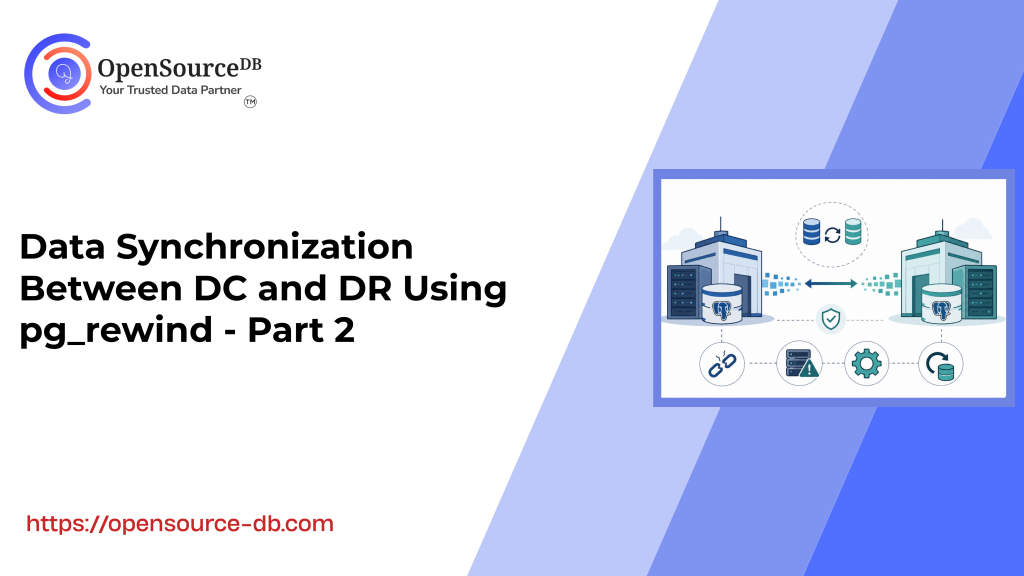
In part-1 of the blog series, we demonstrated how PostgreSQL pg_rewind can be used to resynchronize an old primary (dc01) server after
Data Synchronization Between DC and DR Using pg_rewind – Part 2 Read Post »
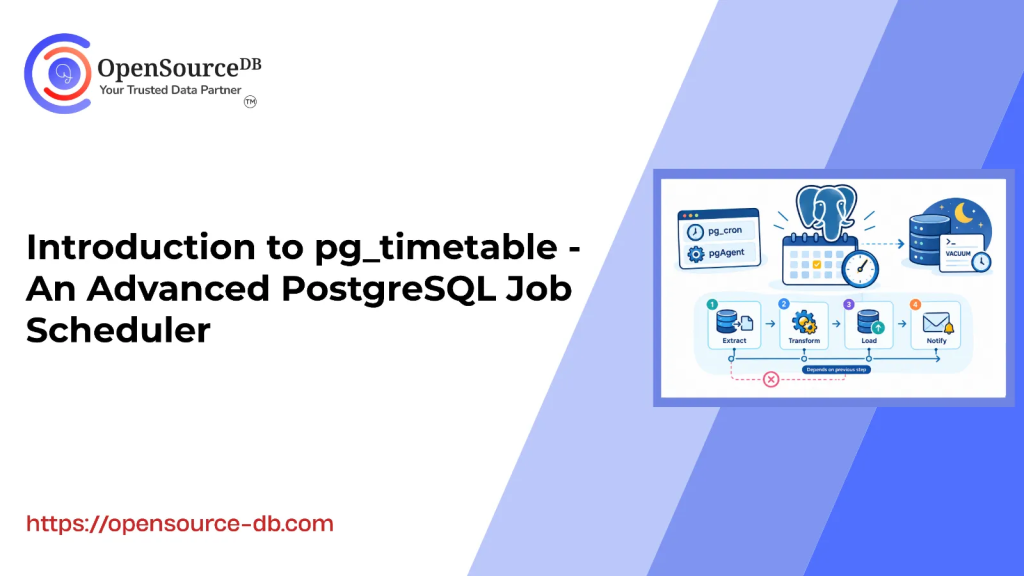
When I started learning about PostgreSQL job schedulers, I came across tools like pg_cron and pgAgent. These tools are useful
Introduction to pg_timetable – An Advanced PostgreSQL Job Scheduler Read Post »
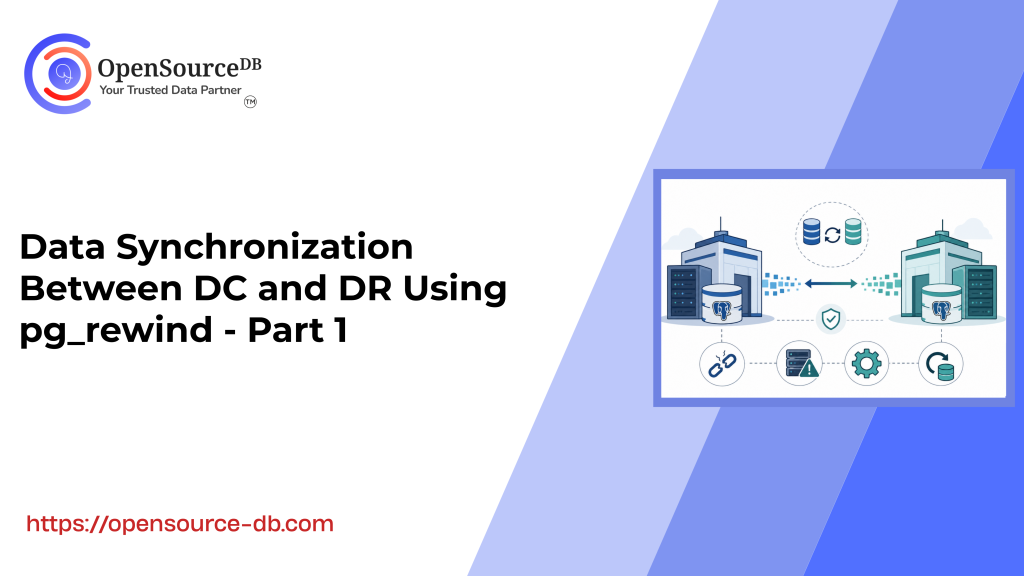
Introduction: We recently encountered a scenario with one of our customers during a PostgreSQL DR drill. As part of the
Data Synchronization Between DC and DR Using pg_rewind – Part 1 Read Post »
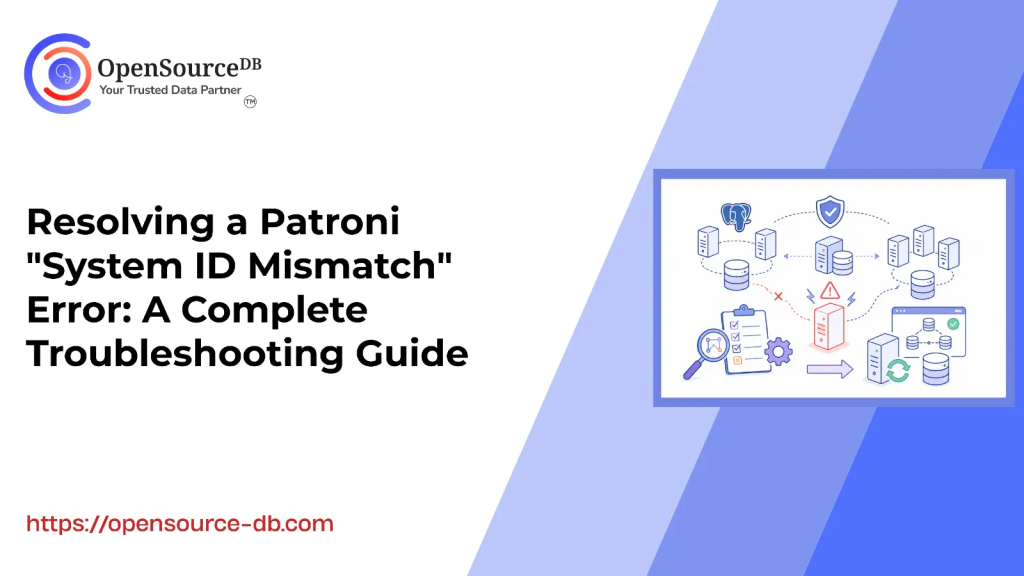
If you run PostgreSQL high-availability clusters with Patroni, sooner or later you’ll run into a message like this in your
Resolving a Patroni “System ID Mismatch” Error: A Complete Troubleshooting Guide Read Post »

Introduction: Have you ever faced a situation where a PostgreSQL query that usually finishes in a few seconds suddenly starts taking
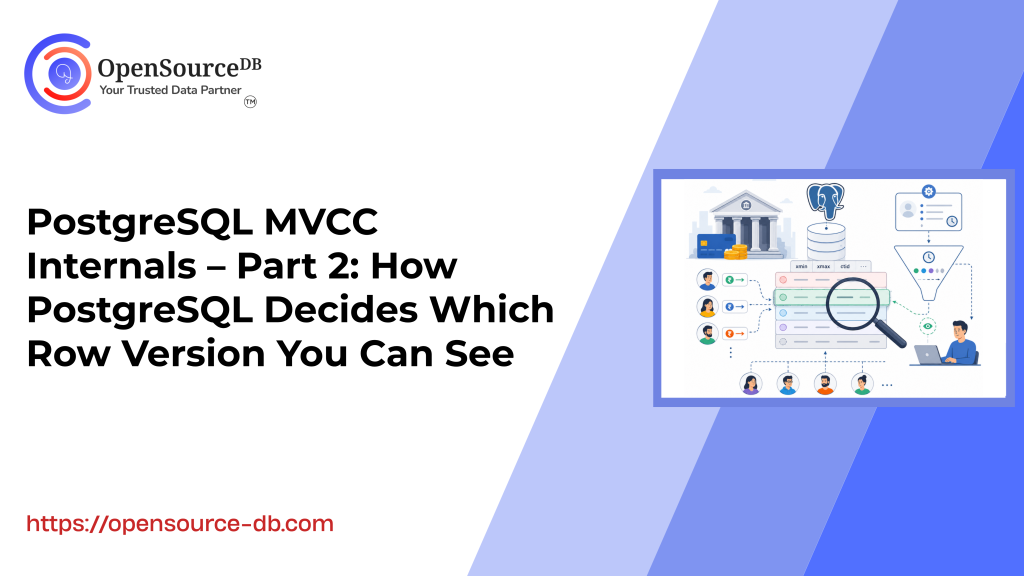
In Part 1 of our PostgreSQL MVCC Internals series, we explored one of Postgres’s fundamental architectural designs: rows are never
PostgreSQL MVCC Internals – Part 2: How PostgreSQL Decides Which Row Version You Can See Read Post »
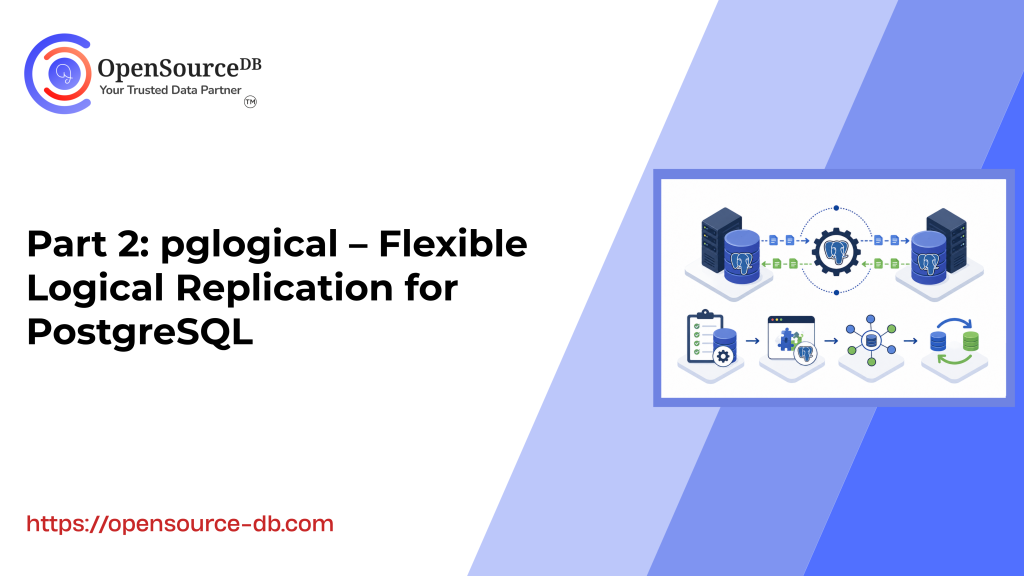
In Part 1, we explored what pglogical is, how it works internally, and why it plays such an important role
Part 2: pglogical – Flexible Logical Replication for PostgreSQL Read Post »
Introduction PostgreSQL is well known for its rock-solid replication features. For many workloads, physical replication works just fine. But as
Part 1: pglogical – Flexible Logical Replication for PostgreSQL Read Post »
Imagine a scenario: You are a DBA at a large-scale e-commerce company. Your primary database hasgrown to 10 million rows
Selective Row-Level Filtering in PostgreSQL Logical Replication Read Post »
Introduction In this blog, I’ll share my experience in performing the data migration of an entire Oracle database to Postgres
Oracle to PostgreSQL Data Migration Using Ora2Pg: Full Load Read Post »
Production database incidents rarely look like what you expect. They don’t arrive with sirens. They accumulate quietly — a mount
When a Disk Expansion Brought Down a PostgreSQL Archive Pipeline Read Post »